What are Brand Archetypes?
The concept of archetypes has its roots in psychologist Carl Jung’s theories about recurring patterns, characters, and motivations within human psychology. The 12 archetypes commonly used in branding today build on these ideas to help us understand some of the deeper desires and motivations that people respond to.
In branding, archetypes are often treated as a way to define your company’s personality. But at Apricot Branding, we take a more customer-centered approach to brand archetypes. Rather than simply asking, “Which archetype is this brand?” we start by asking, “Which emotional drivers and archetypal traits should this brand appeal to in order to connect with a specific audience and stand out from the competition?”
Archetypes are ultimately about the people you want to attract and the emotional drivers you want your brand to appeal to. Consider two luxury brands selling to similar audiences. One could appeal to consumers who are drawn to intimacy, and indulgence, while another could appeal to luxury buyers who value achievement and ambition.
Both can sell luxury products, but they give consumers different emotional reasons to choose them. This allows each brand to connect with its audience in a more meaningful way and develop a more distinctive positioning in the luxury category.
This is where archetypes become particularly useful for positioning, storytelling, and differentiation. People are naturally drawn to different ideas. Some respond strongly to belonging. Others to freedom, achievement, rebellion, discovery, or creativity. Understanding these motivations can help you make more intentional decisions about your brand’s messaging, personality, visual identity, and overall experience.
Below, we’ll explore the 12 brand archetypes, the motivations behind each one, and how you can use them to build a brand that is more distinctive, relevant, and emotionally compelling.
The 12 Brand Archetypes
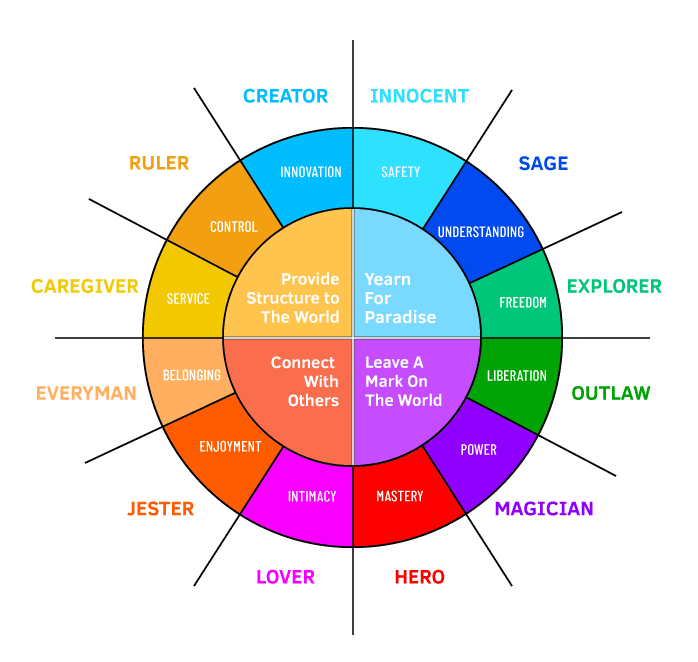
To Provide Structure To The World
1.) The Creator
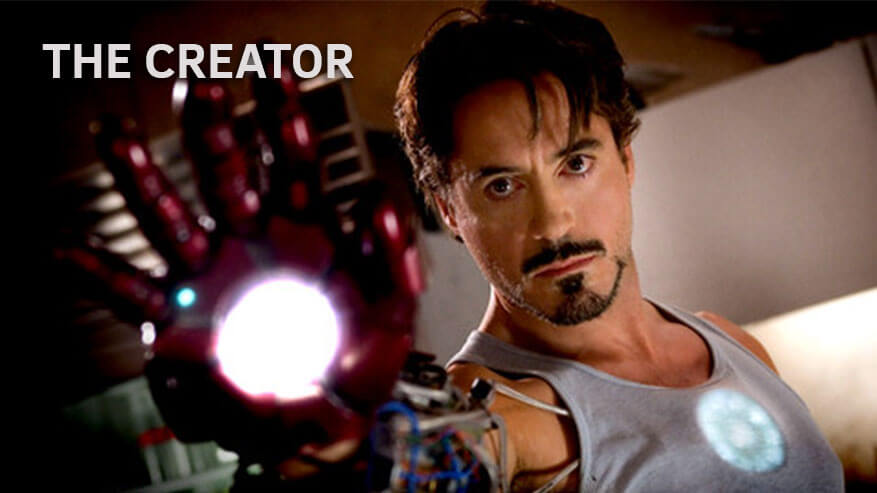
“If you can imagine it, It can be done”
The Creator is also known as the artist and is dedicated to creativity, imagination or building new things.
The Creator archetype appeals to people who value creativity, imagination, originality, and bringing new ideas to life. They may be drawn to brands that encourage self-expression, inspire them to create, or challenge conventional ways of thinking. Brands that appeal to these motivations can use imaginative storytelling, artistic expression, innovation, and outside-the-box thinking to connect with their audience. Click here to learn more about The Creator archetype and see some examples.
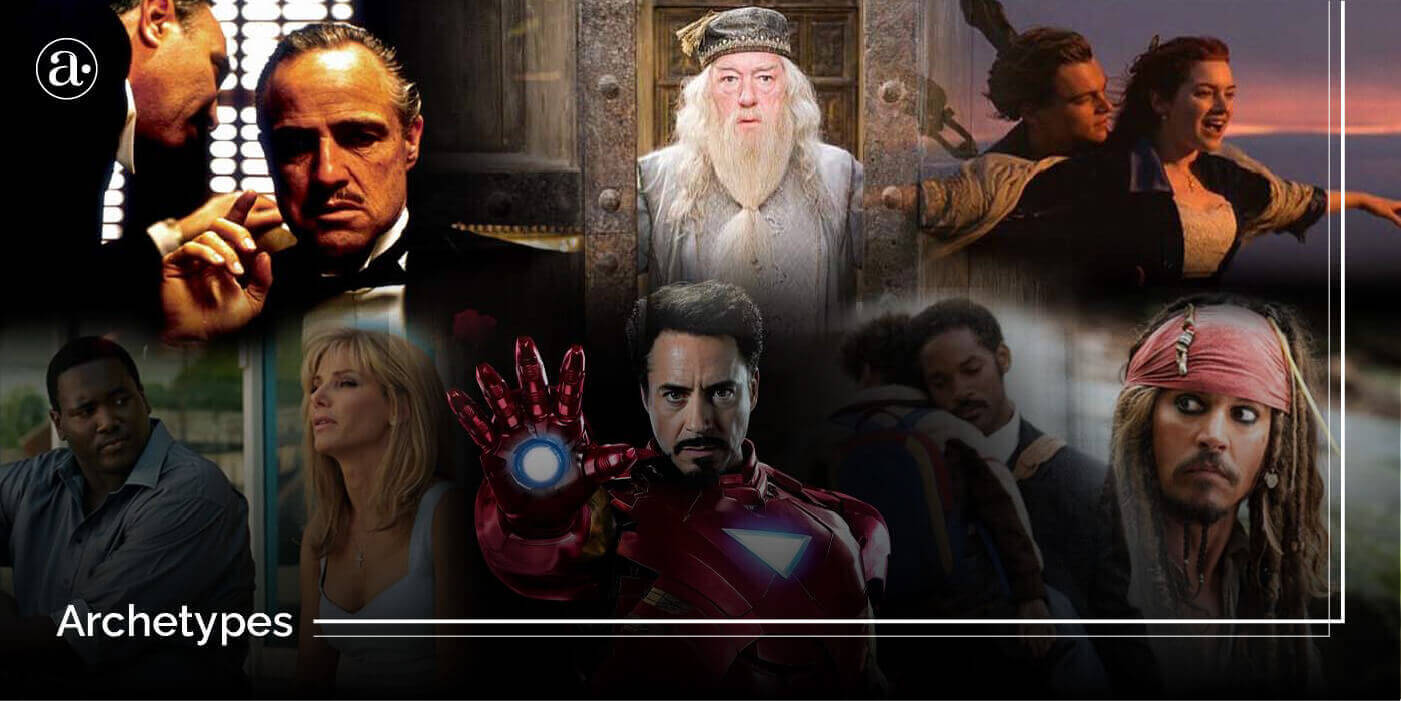
This personality archetype was portrayed by Robert Downey Jr. as Tony Stark in the movie “Iron Man”. He is a famous inventor who builds his personal armor suit that he uses to combat terrorists. Another example of this archetype is Ashton Kutcher in the movie “Jobs”.
Personality Traits: Creative, Innovative, Inventive, Inspirational, Authentic, Imaginative
Examples: Apple, HP, General Electric(GE), LEGO, Canva, Lifted Research Group(LRG)

2.) The Ruler
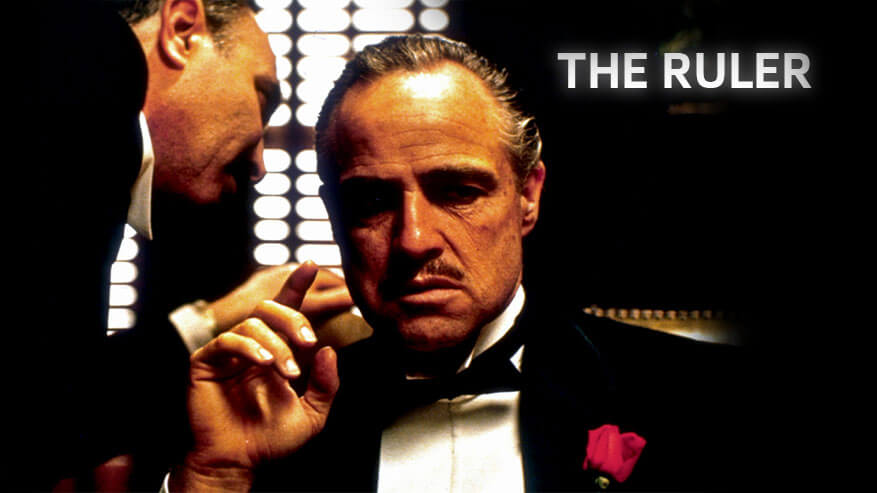
“Power isn’t everything, it’s the only thing.”
The Ruler archetype appeals to people who value status, leadership, achievement, control, and being recognized for their success.
Sometimes called the Boss, Leader, King, or Queen, this archetype can create desire by appealing to people’s aspirations and sense of self-esteem. Customers drawn to these traits may want to feel accomplished, influential, respected, or associated with the best.
Brands can appeal to these motivations through messages and experiences centered around prestige, exclusivity, authority, high standards, and success. This is one reason the Ruler is especially common in luxury branding, where owning a product can become a symbol of status or achievement.
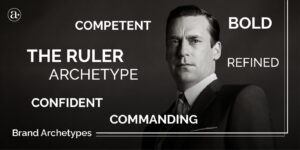
This personality archetype is portrayed by Vito Corleone in the Godfather who is played by Marlon Brando. He is a character of substance, refinement and heritage who dominates as the founder and head of the family. Other movie examples of this archetype are Don Draper in Madmen and James Bond. Click here to learn more about the Ruler archetype.
Personality Traits: Leadership, Dominant, Authoritative, Bold, Sophisticated, Timeless
Examples: Rolex, Maseratti, LVMH, Versace, Polo Ralph Lauren, Rolls Royce, Louis XIII
3.) The Caregiver
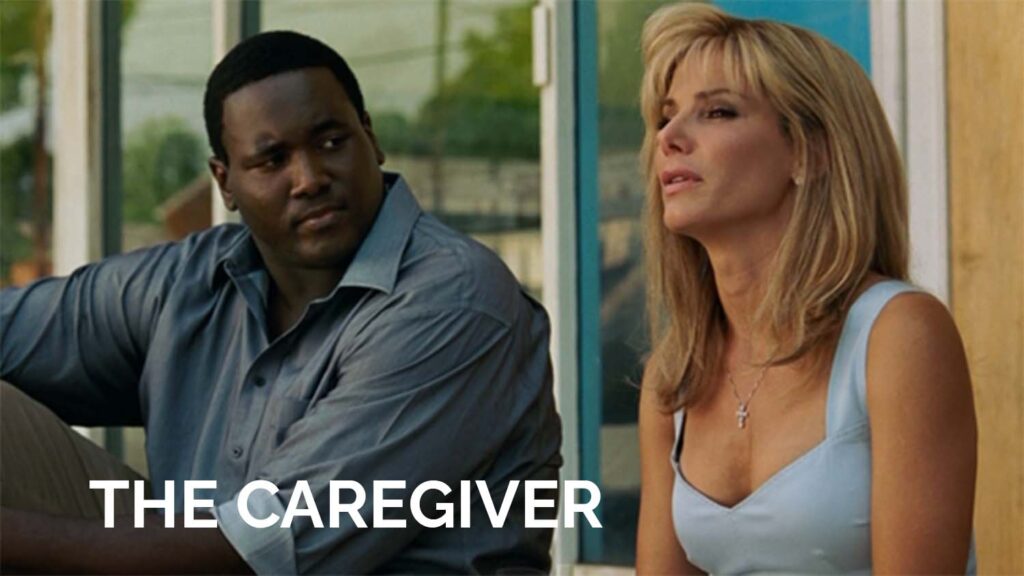
“Love your neighbor as yourself”
This archetype is also known as the Saint or the Parent. The Caregiver archetype appeals to people who value compassion, protection, support, and caring for others. Brands can tap into these emotional drivers by demonstrating genuine care for people, communities, or the planet. This archetype differentiates through altruism, empathy, reassurance, and a desire to protect or improve the well-being of others.
It is very popular among non-profits, healthcare, and self-care brands. Click here to learn more about the Caregiver archetype.
This character is portrayed by Leigh Anne Tuohy who is played by Sandra Bullock in The Blind Side. She is a devout Christian, caregiver and motherly figure who bonds with Michael, who is struggling in his youth
Personality: Sincere, Nurturing, Altruistic, Organized
Examples: Starbucks, Dove, Unilever, P&G, CVS, Patagonia, New York Life, most non-profits
To Leave A Mark On The World
4.) The Hero
“Where there is a will, there is a way”
Also known as the Warrior or the Champion, the Hero archetype appeals to people who are driven by achievement, courage, perseverance, and the desire to overcome challenges.
Rather than positioning the brand itself as the hero, brands can use this archetype to make the customer feel empowered to rise to the challenge, accomplish something meaningful, or become a stronger version of themselves. This archetype often uses a strong sense of mission and empowering messages that inspire people to take action and believe in what they are capable of achieving. It is especially popular among sports, fitness, and political brands.
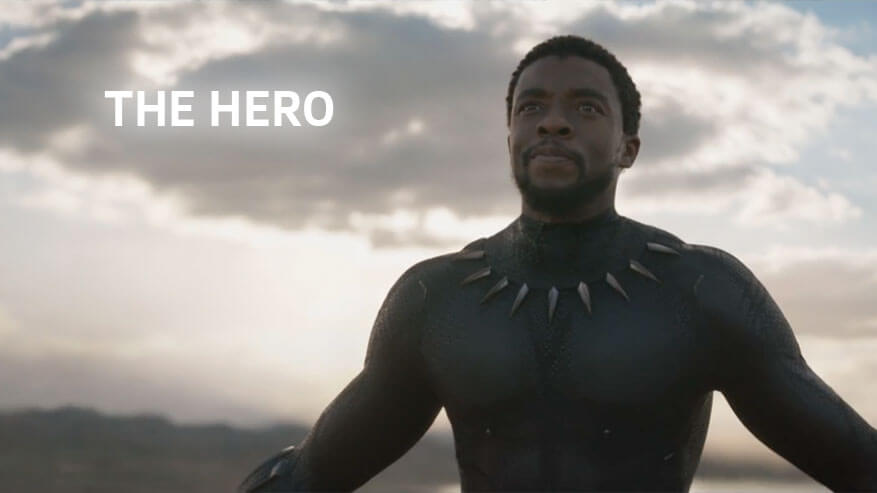
This archetype is best portrayed by the late Chadwick Boseman(RIP) in the movie The Black Panther. He is the hero and protector of the fictional African nation of Wakanda. Any superhero could fall into this category, as well as any brand that wants to make a huge difference and bring hope or change to the world. To learn more about the hero archetype you can follow this link.
Personality Traits: Brave, Devoted, Bold, Visionary, Motivational, Inspirational
Examples: Nike, Tesla, Obama 08, Fedex, Alibaba, NBA, Pittsburgh Steelers, Microsoft

5.) The Magician
“I make magic happen”
This archetype is also sometimes known as the Healer. The Magician archetype appeals to people who are drawn to transformation, possibility, imagination, and making dreams a reality. Brands can tap into these emotional drivers by helping customers believe that meaningful change is possible and empowering them to imagine what could be. The Magician can also have a sense of wonder, mystery, creativity, or even spirituality. This archetype is popular among film and entertainment brands, as well as brands focused on transformation or creating experiences that feel extraordinary or magical. Click here to learn more about the Magician Archetype along and see some examples.
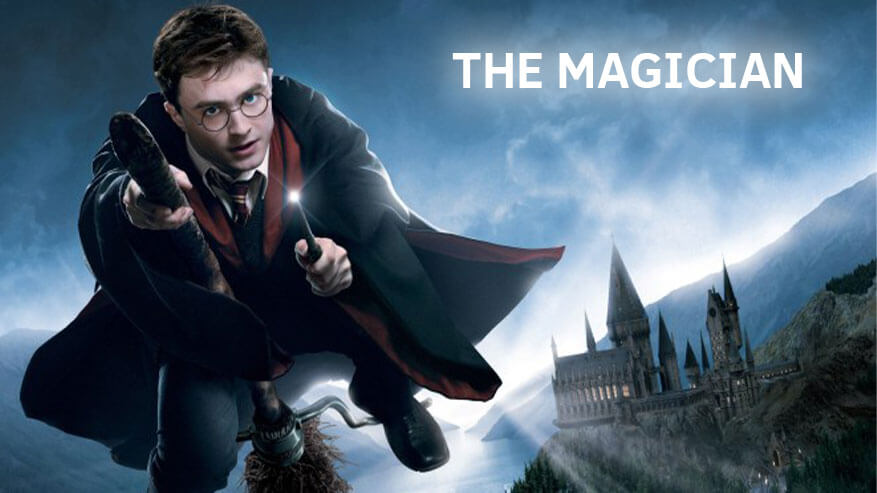
This personality is played by Daniel Radcliffe as Harry Potter who discovers at a young age that he has magical powers beyond his wildest dreams. He becomes a self actualized wizard and his life changes from the mundane to the supernatural.
Personality Traits: Delightful, Creative, Visionary, Spiritual, can also be mysterious
Examples: Gaia, Disney, Dreamworks, Pixar

6.) The Rebel
“Rules are meant to be broken”
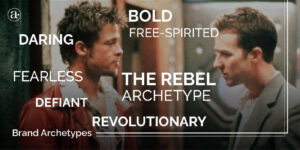
This archetype is also known as The Outlaw, Rebel or The Misfit. A brand that falls into this category is focused on breaking all rules, opposing and challenging conventions. The rebel personality type is resilient and refuses to accept the status quo. It represents the inner need for freedom and is more youthful. This is very popular among streetwear brands. It is the most rebellious out of all the 12 archetypes. Click here to learn more about the Rebel archetype.
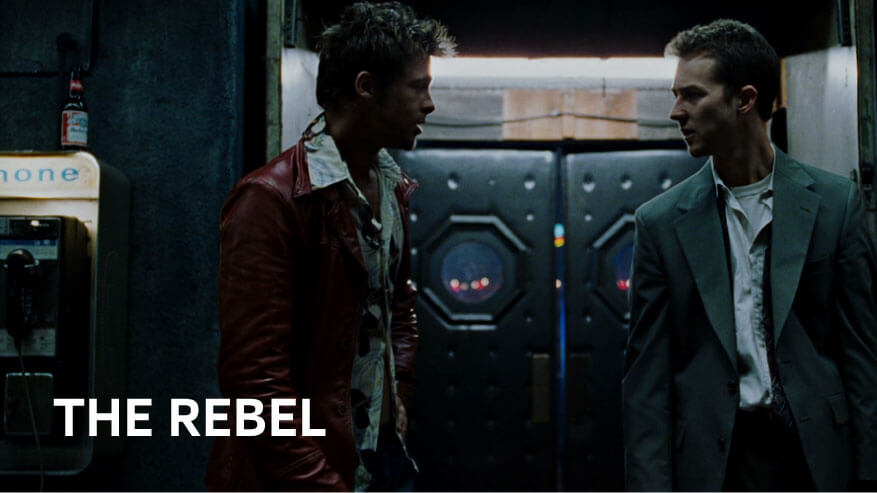
This archetype or personality can be seen in Tyler Durden, played by Brad Pitt in the movie Fight Club. He represents a rebellion against a mundane corporate life for a more exciting life filled with action that rejects materialism. Tyler Durden is a non-conformist who strongly rejects all social norms, hierarchies and authority. Spartacus, in the television series is another example of the rebel in which Andy Whitfield plays a Thracian gladiator leading a slave rebellion. But the Rebel does not have to be violent, it just represents people who go against the grain.
Personality Traits: Revolutionary, Rebellious, Daring, Fearless
Examples: Harley Davidson, Diesel, JEEP, True Religion, Off White, Virgin, Mercedes-Benz CLA Coupe
To Connect Others
7. The Jester
“You Only Live Once(YOLO)!”
Out of all the 12 archetypes, this is the comedian or the Joker brand. It appeals by conveying a unique sense of humor that can also be smart and witty. People remember the Jester archetype because of the memories of laughter that they associate with it. Even putting a smile on ones face could make your brand memorable. The Jester is the life of the party and has fun by making others have fun. It could also have a rebellious character by doing things that are unconventional. Click here to learn more about the Jester Archetype.
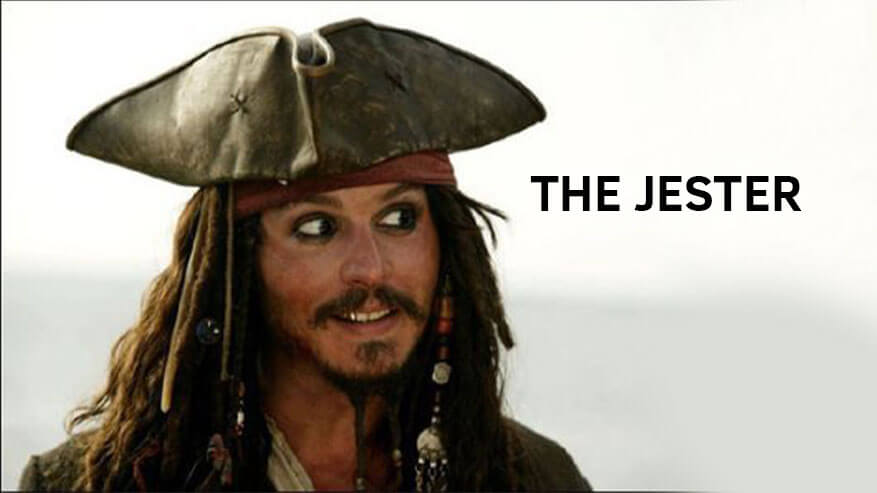
This archetype was also portrayed in film By Johnny Depp as Captain Jack Sparrow in Pirates of the Caribbean. He is the main trickster who brings humor and wit to the movie with his quirky behavior that makes him a more memorable character compared to others.
Personality Traits: Optimistic, Funny, Rebellious, Smart & Witty.
Examples: Progressive, Old Spice, Dollar Shave Club, Snickers, Assid, Johnny Cupcakes, Halifax
8.) The Lover
“You are the only one”
This brand archetype has the personality of mostly a spouse, or even a close relative or friend. It is highly emotional and is about connecting people to things that matter the most. The Lover archetype creates desire by giving a sense of belonging to people who are looking to live life to the fullest. The lover can also convey a sense of romance that could be very soothing and flattering. The Lover is the most romantic out of all the 12 archetypes. This is what makes it so emotionally appealing. It is very popular among luxury brands, beauty, jewelry and fragrances. Click here to learn more about the Lover archetype.
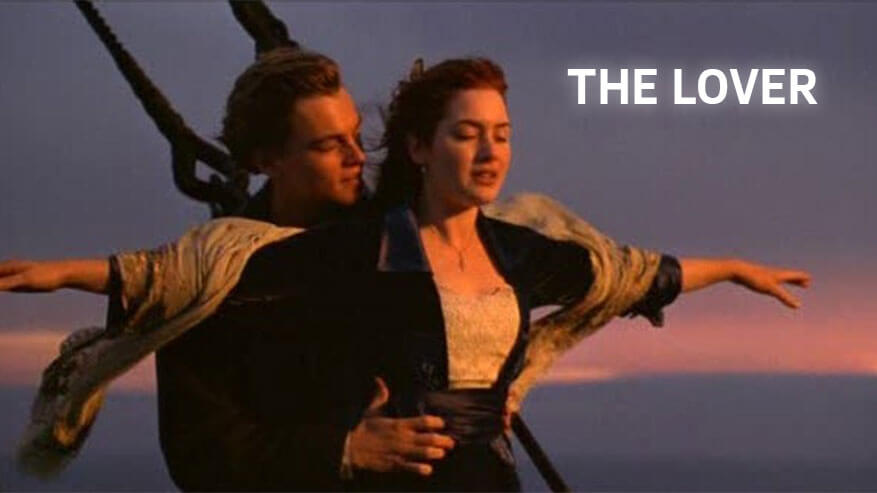
This personality trait was portrayed by both Leonardo DiCaprio and Kate Winslet as Jack and Rose in the movie Titanic. They are both romantic and passionate about each other even though the luxurious voyage turns into a disaster in the end.
Personality Traits: Passionate, Romantic, Experiential, Emotional, Elegant, Compassionate
Examples: Channel, Ferrari, Prada, Christian Dior, Kay Jewelers, L’Oreal, ZARA, Dolce&Gabbana
9.) The Everyman
“All men and women are created equal”
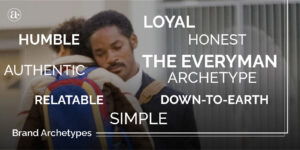
This brand archetype is also known as the good ole’ neighbor. It is the most down-to-earth out of all the 12 archetypes. A brand that falls into this category appeals to everyone, especially people who can’t afford higher-priced options. It appeals by giving everyone a sense of belonging and being the brand that everyone can love and afford, including grandma! Think about your local supermarket where everything is affordable and simple. Click here to learn more about the Everyman archetype.
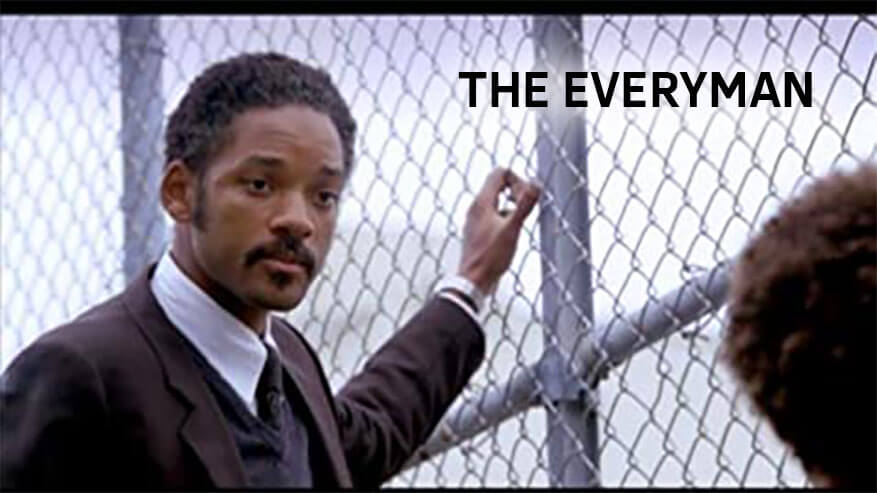
This personality type was portrayed by Will Smith as Chris Gardner in the Pursuit of Happiness. He struggles to create a better life for his son and refuses to give up. He conveys the struggle that a lot of people go through in the world.
Personality Traits: Honest, Loyal, Down-to-Earth, Empathetic.
Examples: Aldi, Billabong, Wrangler, Walmart, Gap. Target, Costco, Amazon
Yearn For Paradise
10.) The Innocent
“KISS: Keep It Simple Silly!”
The Innocent brand archetype is all about fun, simplicity and happiness. This makes it appealing. It communicates through the lens of a child with a sense of wonder and might also come off as naïve. This brand archetype is for people who value the simple pleasures in life. Innocent brands also tend to have very low to moderate pricing. Click here to learn more about the Innocent archetype.
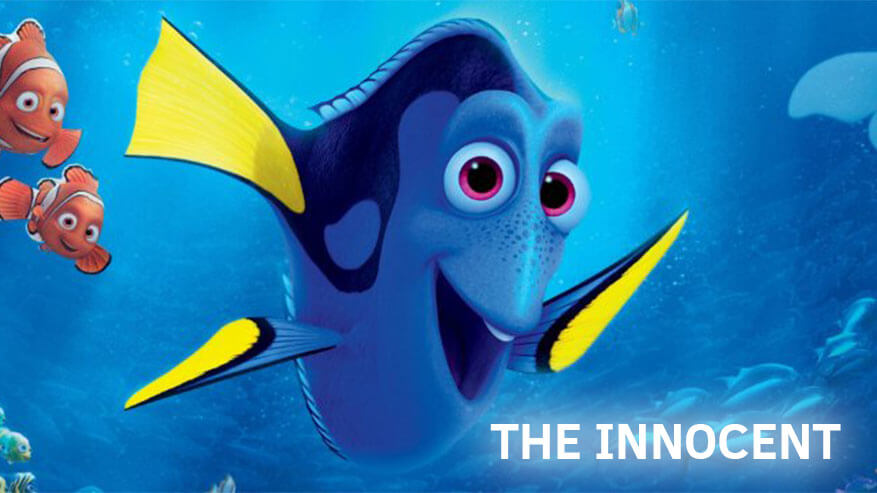
This personality can be seen in Dory from Finding nemo who is voiced by Ellen DeGeneres. She just loves singing and having fun but hopes to help Marlin find Nemo. She is also fluent in speaking “Whale”
Personality Traits: Optimistic, Simple, Virtuous, Trustworthy, Pure, Sweet, Cheerful
Examples: Coca Cola, Innocent Smoothies(Obviously!), World Wide Fund, Etsy
11.) The Explorer
“Explore. Dream. Discover.”
Also, known as The Seeker or The Wanderer. This brand archetype is dedicated to adventure, discovery and uncovering new ways of thinking. It also challenges conventions and appeals to people who yearn for freedom to go beyond the normal. It has a broader vision and pushes the boundaries to go above and beyond. This archetype is very popular in the travel and vacation niche. Click here to learn more about The Explorer Archetype and see some examples.
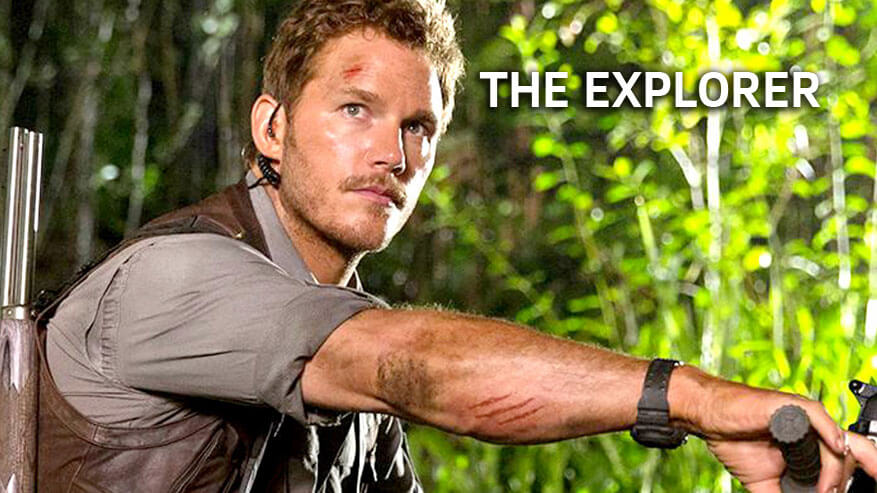
This character was portrayed by Chris Pratt as Owen Grady in the movie Jurassic World. In this movie, he embarks on dangerous missions to the lands of Dinosaurs. He is a free-spirit and a man of action that uses his wits and intellect to handle any situation. This character can also be seen in David Rice(Hayden Christensen) in the movie “Jumper”. In this movie, he is able to teleport to anywhere that he wants, from the Pyramids of Giza to Tokyo. It shows an innate desire for freedom to explore beyond the constraints of an average persons life. That movie will make anyone feel like going on a vacation.
Personality Traits: Adventurous, Active, Brave, Ambitious, Free-Spirited.
Examples: Northface, Timberland, SpaceX, Spirit Airlines
12.) The Sage
“The truth will set you free”
This brand archetype is also known as the philosopher or the scholar. This is the wise elder who guides and leads others. A brand that falls into this category is dedicated to the spread of wisdom, truth and knowledge. It appeals by demonstrating knowledge and could also be more philosophical or mature. Click here to learn more about The Sage archetype.
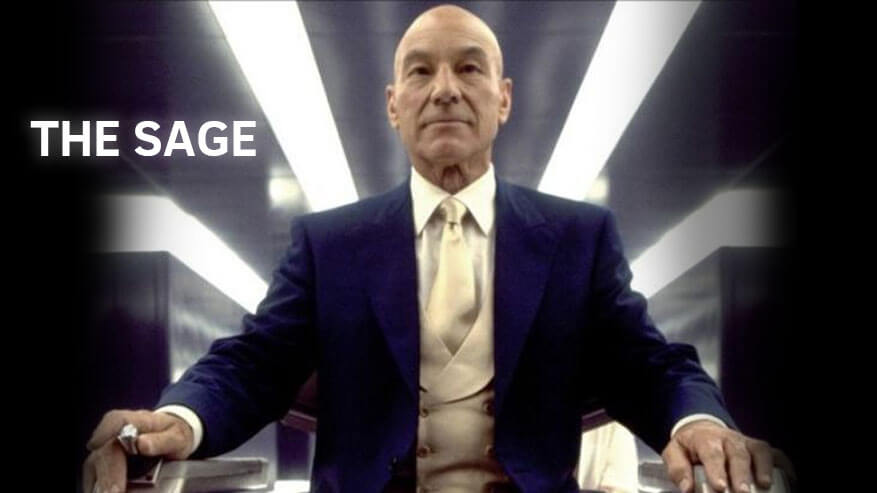
This personality was conveyed by Prof. Xavier in the movie X-Men. He was the wise man played by Patrick Stewart who guided, mentored and trained others in his school. Prof. Xavier was all about promoting a peaceful coexistence.
Personality traits: Wise, Philosophical, Responsible, Prudent
Examples: TED, Wall Street Journal, Universities, Google, Bloomberg
Brand archetypes can be a powerful framework for building emotional resonance, but their value goes far beyond simply choosing a personality for your brand. It begins with understanding your customers and the deeper motivations, desires, and emotional drivers that shape their preferences.
From there, you can identify the archetypal traits your brand is best positioned to appeal to and find authentic, creative ways to bring them to life through your messaging, storytelling, visual identity, and overall experience.
But choosing an archetype alone won’t make a brand distinctive. There are only 12 archetypes and millions of brands. What matters is how authentically you embody those emotional drivers and how creatively you express them in a way that is uniquely your own.
And archetypes don’t need to guide every brand. They are most valuable when emotional connection, identity, aspiration, or experience plays a meaningful role in why customers choose one brand over another.
Ultimately, the goal isn’t to turn your company into the Hero, Explorer, Creator, or any other archetype. The goal is to understand what moves the people you want to reach and use those insights to build a brand that connects with them in a meaningful and distinctive way.
So instead of only asking, “Which archetype is my brand?” ask: “Who are we here for? What motivates the people we want to reach? And how can we speak to those motivations in a way that only our brand can?”
If you found this guide to the 12 brand archetypes helpful, you may also enjoy our previous article on creating an emotional brand.
Don't Forget to Share or Subscribe!
Get Your Free Download! Delivered to Your Inbox.
6 Branding Mistakes to Avoid
Learn about the 6 Branding mistakes that business owners can avoid.